
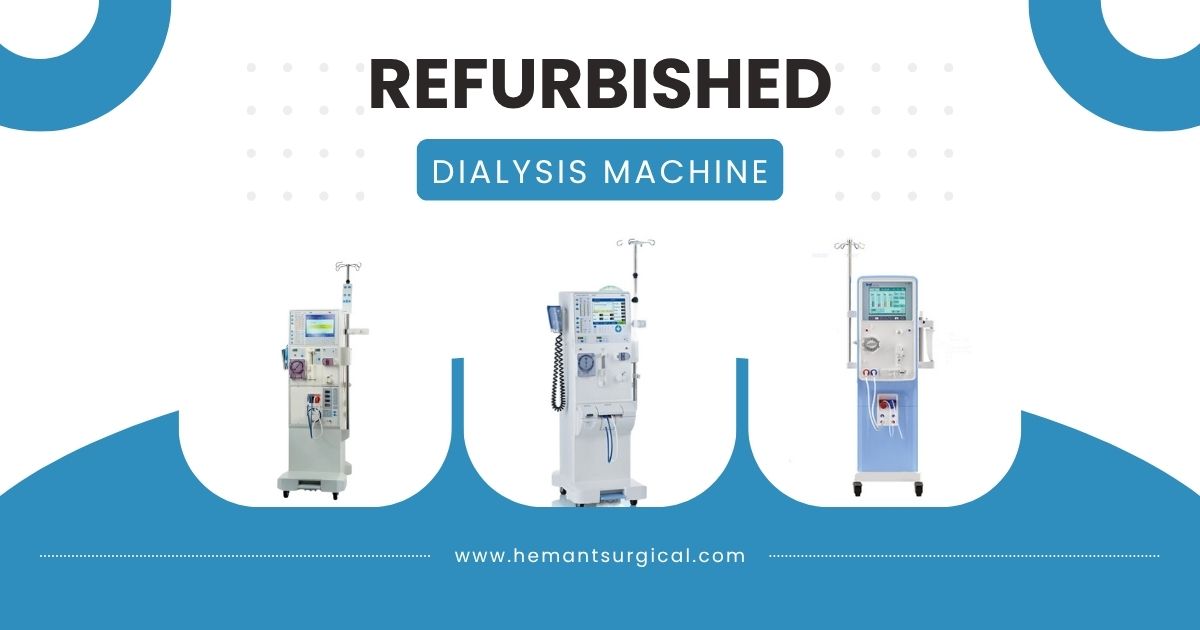
Are Refurbished Dialysis Machines Safe to Use?
Yes, absolutely. Refurbished dialysis machines are safe to use when they are sourced from a reliable supplier that follows a strict refurbishment, calibration, and quality testing process.
At our facility, every refurbished dialysis machine undergoes a comprehensive restoration and quality assurance procedure before it is approved for use.
The refurbishment process includes:
- Complete disinfection and cleaning of the machine immediately upon arrival at our facility.
- Careful dismantling and detailed inspection of every critical component by experienced biomedical engineers.
- Replacement of all faulty or worn-out parts with high-quality components to restore optimal performance.
- Precise calibration of the machine according to the manufacturer's specifications.
- Extensive dummy dialysis testing, where the machine is operated continuously over several days to evaluate its accuracy, safety, stability, and overall performance under simulated clinical conditions.
- Final quality verification to ensure the machine meets the required safety and operational standards before delivery.
Only after successfully passing all inspection, calibration, and performance tests is the machine approved for installation and clinical use.
When refurbished by qualified biomedical engineers using standardized procedures, a refurbished dialysis machine can deliver reliable performance comparable to a well-maintained machine, while offering a significantly more cost-effective solution for hospitals and dialysis centres.
How Much Can You Save by Buying a Refurbished Dialysis Machine?
Purchasing a refurbished dialysis machine can help hospitals and dialysis centres save up to 40–60% compared to buying a new machine. In some cases, machines may be available at even lower prices. However, price should never be the only factor when choosing a refurbished machine.
The actual value of a refurbished dialysis machine depends on the quality of the refurbishment process. A low-priced machine may seem attractive, but if it has not been properly inspected, calibrated, or tested, it can lead to higher maintenance costs and reduced reliability in the future.
Since buyers cannot inspect the internal hydraulic system, electronic boards, sensors, or other critical components themselves, it is important to choose a supplier who follows a transparent and professional refurbishment process.
You may find refurbished dialysis machines at prices that are 70–80% lower than the cost of a new machine. While these offers may appear attractive, they often involve machines with very high operating hours, heavily worn components, limited testing, or little to no warranty support. Although this is not true in every case, such low prices should encourage buyers to carefully evaluate the machine's condition and the supplier's refurbishment standards.
A well-refurbished dialysis machine offers the ideal balance between cost savings, quality, reliability, and long-term performance. Instead of choosing the cheapest machine available, invest in one that has been professionally refurbished, thoroughly tested, and backed by a trusted supplier with a comprehensive warranty and after-sales service.
Remember: The goal of buying a refurbished dialysis machine is not just to save money—it's to obtain a reliable, high-quality machine that delivers safe and consistent performance while significantly reducing your overall investment.
How Long Do Refurbished Dialysis Machines Last?
A professionally refurbished dialysis machine can typically provide 5 to 7 years of reliable service, and in many cases even longer, depending on how well it is maintained. Regular preventive maintenance and timely replacement of worn components are the key factors that determine the machine's lifespan.
To maximize the life and performance of your dialysis machine, we recommend:
- Preventive maintenance every 3 months by qualified biomedical engineers.
- Immediate repair or replacement of faulty or worn-out components.
- Regular calibration and performance testing to ensure accurate and safe operation.
- Annual service and warranty renewal after the original warranty expires.
- Routine cleaning and disinfection according to the manufacturer's guidelines.
Just like a car requires regular servicing to perform efficiently, a dialysis machine also needs periodic maintenance to ensure consistent performance and patient safety. A machine cannot maintain itself—it depends on proper care from trained professionals.
When serviced regularly by experienced biomedical engineers, a refurbished dialysis machine can deliver dependable performance for many years while significantly reducing the overall cost of ownership.
Can You Get a Warranty on a Refurbished Dialysis Machine?
Yes. A reliable supplier should always provide a warranty on refurbished dialysis machines. A warranty reflects the supplier's confidence in the quality of the refurbishment and gives buyers peace of mind after installation.
Most trusted suppliers also provide preventive maintenance, routine inspections, and technical support during the warranty period. Once the warranty expires, it can usually be renewed to ensure continued service and protection.
Since the internal components of a dialysis machine—such as the hydraulic system, electronic boards, and sensors—cannot be inspected by the buyer, choosing a supplier that offers a comprehensive warranty is essential. A warranty ensures that any manufacturing or refurbishment-related issues are resolved promptly, allowing your dialysis center to operate safely and efficiently.
How Do I Know If a Refurbished Dialysis Machine Is Actually Refurbished?
The best way to verify a refurbished dialysis machine is by choosing a supplier who is transparent about their refurbishment process. A trusted supplier should clearly explain how the machine is cleaned, dismantled, inspected, repaired, calibrated, and tested before delivery.
You should also ask for details of the refurbishment process, dummy dialysis testing, replaced components, calibration reports, warranty, and service support. A reliable supplier will have no hesitation in sharing this information.
Remember: A refurbished dialysis machine is not defined by its appearance—it is defined by the quality of its refurbishment, testing, and the credibility of the supplier.
How Often Do Refurbished Dialysis Machines Need Maintenance?
A refurbished dialysis machine should undergo preventive maintenance every 3 to 4 months to ensure safe and reliable performance. Regular inspections help identify worn components, maintain accurate calibration, and prevent unexpected breakdowns.
Most trusted suppliers include routine maintenance visits during the warranty period. After the warranty expires, it is recommended to continue scheduled servicing through your supplier or qualified biomedical engineers. Regular maintenance not only extends the machine's lifespan but also ensures consistent performance and patient safety.
Where Can I Buy a Reliable Refurbished Dialysis Machine?
You should purchase a refurbished dialysis machine from a supplier with proven experience, qualified biomedical engineers, and a transparent refurbishment process. Before making a purchase, ensure the supplier provides detailed machine testing, proper calibration, warranty coverage, preventive maintenance, and reliable after-sales technical support.
At Hemant Surgical Industries Ltd. (HSIL) – Nephrocure, every refurbished dialysis machine undergoes a comprehensive refurbishment process, including complete disinfection, detailed inspection, replacement of faulty components, precise calibration, and extended dummy dialysis testing before delivery. We also provide a 1-year warranty, preventive maintenance visits, and dedicated technical support to help hospitals and dialysis centres operate with confidence.
Choosing a trusted supplier ensures you receive not only a cost-effective machine but also long-term reliability, safety, and dependable after-sales service.
Related Posts
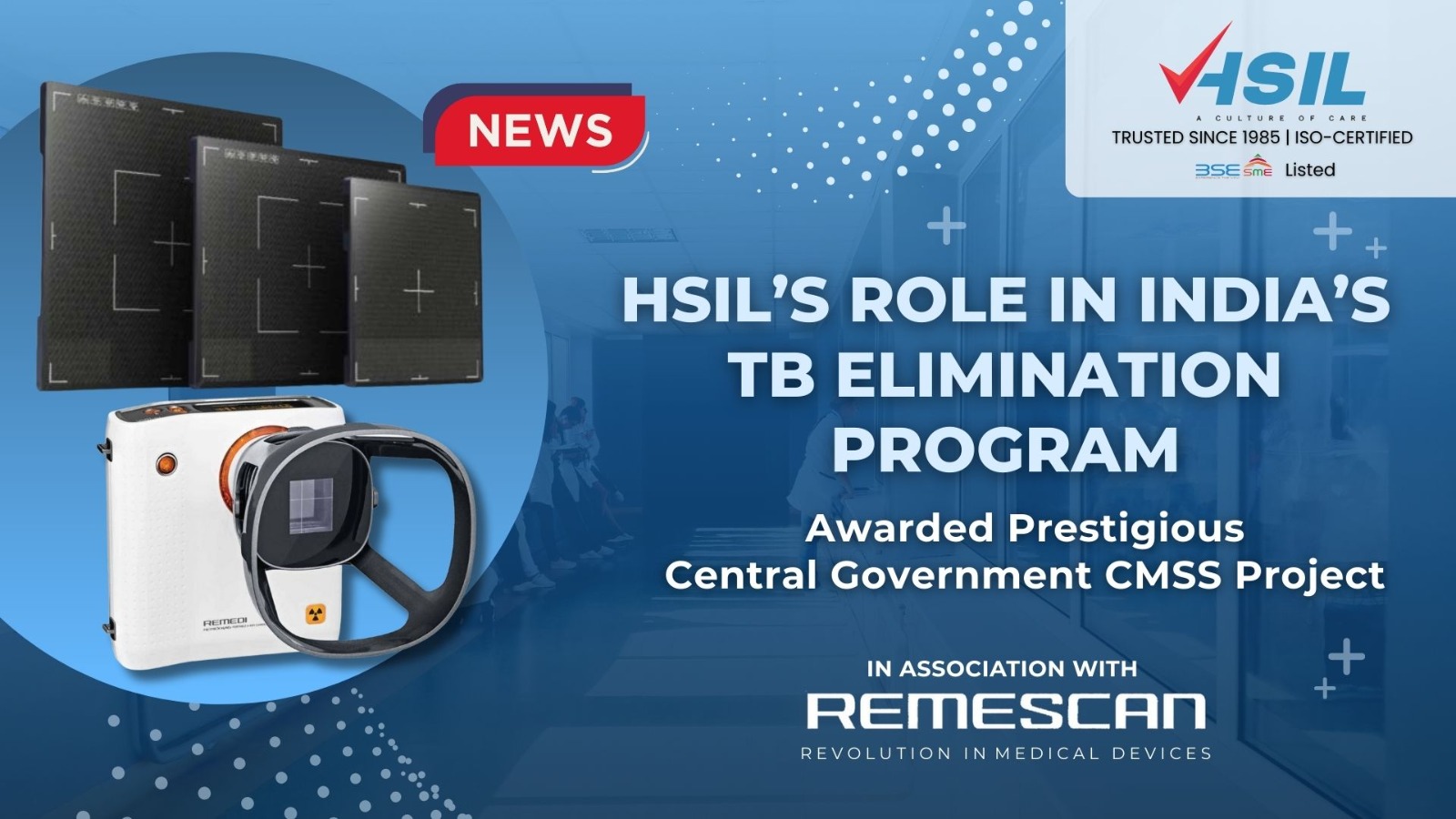
Hemant Surgical Empowe...
At Hemant Surgical Industries Ltd. (HSIL), we believe in delivering innovation with impact. Recently...
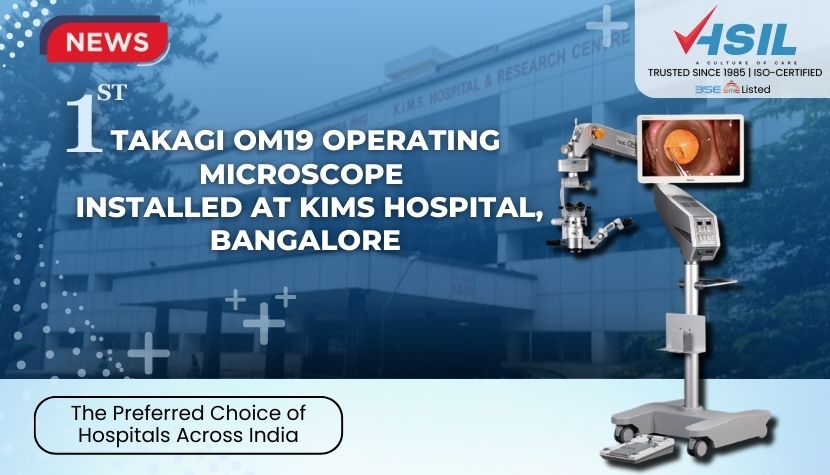
HSIL Ophthalmology Ins...
HSIL Ophthalmology Installs 1st Takagi OM19 Ultra-High Performance Operating Microscope at KIMS Hosp...
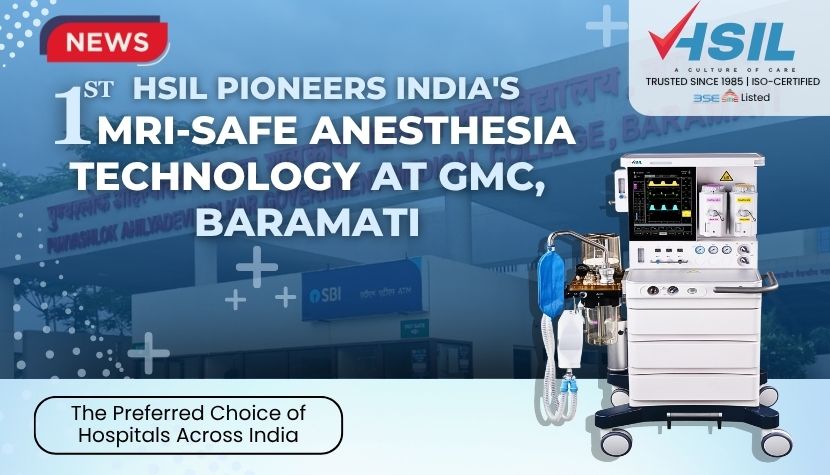
Hemant Surgical Instal...
Breaking Boundaries: Hemant Surgical Installs MRI-Compatible Anesthesia Workstation at GMC Baramati
.png)